
Problem
A US-headquartered global entertainment company had already deployed GA4 as a unified tracking platform. But the data wasn't being used to make decisions. KPI definitions varied by region and team. Reporting was a manual, recurring operational task rather than a decision support tool.
The core issue wasn't data collection — it was interpretation and action. There was no framework connecting measurement to investment decisions or optimization. Analysis depended on specific individuals, and reports were produced regularly without meaningfully influencing what the business did next.
Work
We focused on designing a structure that connects data to decision-making — not on improving the analytics tooling itself.
- KPI framework redesign — rebuilt metrics from the ground up based on business outcomes, not analytics defaults
- Global definition alignment — standardized KPI definitions across regions, channels, and teams
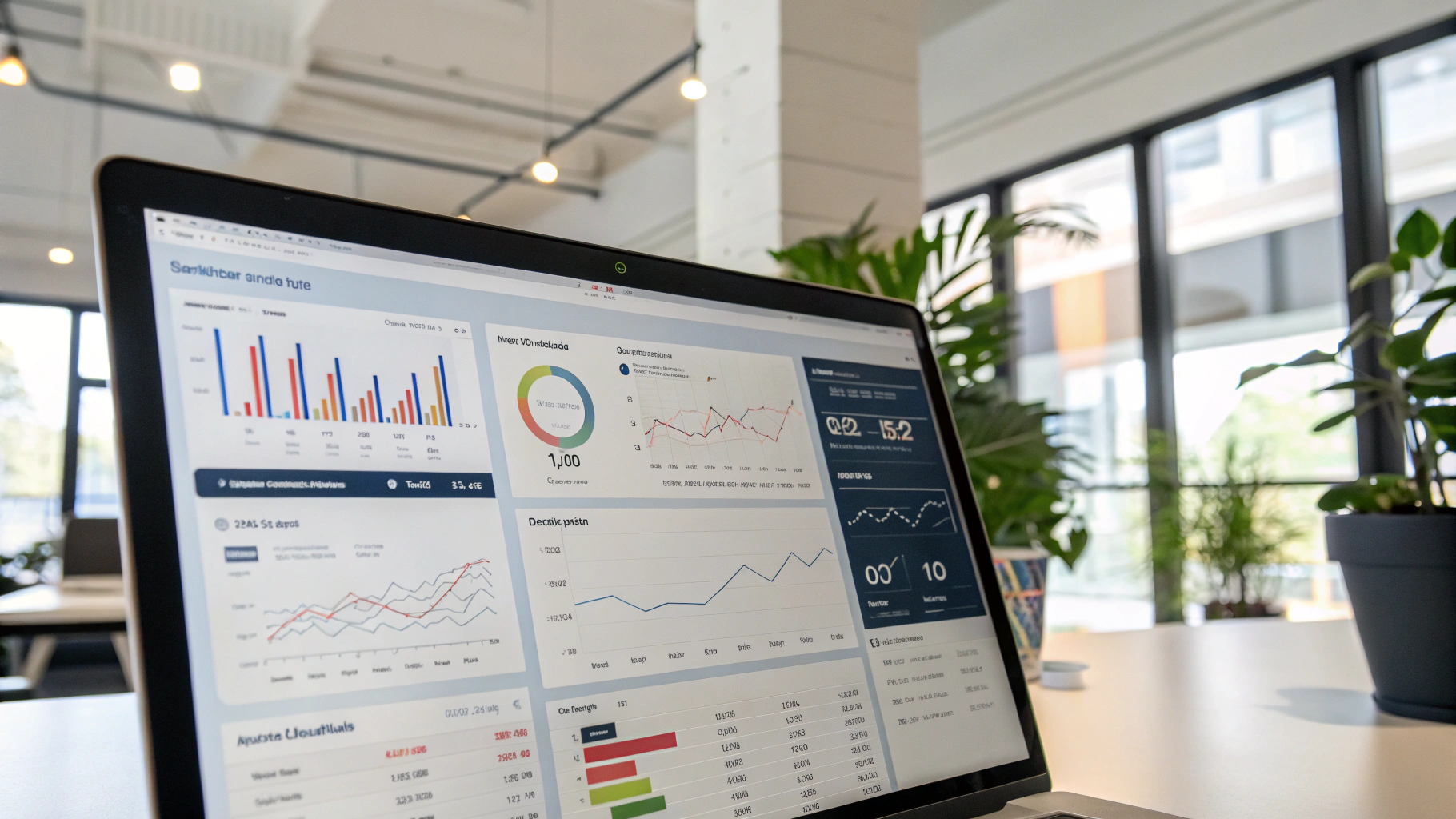
- Dashboard architecture in Looker Studio and BigQuery — structured for fast, clear decision-making by executives and channel managers
- Optimization guidance — provided data-backed channel investment recommendations as part of the enablement process
Result
- Decision infrastructure established — executives can assess business performance quickly without analyst support
- Faster optimization cycles — data directly informs channel adjustments rather than feeding into reports that sit unread
- Global KPI alignment achieved — standardized metrics across regions removed interpretation gaps
- Improved investment decisions — clear visibility into channel contribution and ROI
Why it matters
More data doesn't produce better decisions. What changed here was the structure connecting measurement to action. Different regions interpreting data differently — and building reports manually against metrics that weren't tied to business outcomes — meant that even large analytics investments had limited decision impact.
By establishing a shared framework and a decision-ready reporting structure, the organization shifted from reporting as an output to data as an input. That shift is what makes analytics investments worthwhile at scale.